By David Lukas
Stretching for 160 miles, the barrier islands of North Carolina, popularly known as the "Outer Banks," are a place where history and nature collide. The landing site for some of America's first European visitors, the Outer Banks have been a popular destination since 1587 for good reason. Here are some reasons why.

Bodie Island Lighthouse, Cape Hatteras National Seashore, Outer Banks.
© Stephen Saks Lonely Planet Images.
Taking Flight at Kill Devil Hills
At the north end of the Outer Banks, Kill Devil Hills is where the Wright Brothers made their historic powered flight on Dec. 3, 1903, from the same high sand dunes that formerly hid caches of rum stolen from local shipwrecks. Feel the thrill of this first flight at the Wright Brothers National Memorial. Lodging in the popular seaside village of Nags Head gives visitors a base camp for exploring nearby Jockey's Ridge State Park, site of the largest sand dune east of the Mississippi River, and Nags Head Woods, one of four examples in the world of a rare deciduous maritime forest.

House at East Beach, Frying Pan Shoals area, Bald Head Island.
© Witold Skrypczak. Lonely Planet Images.
Driving the Banks
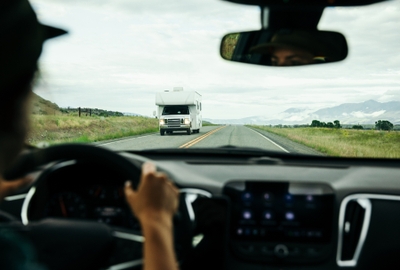
Continuing south you enter the dynamic world of shifting sand dunes and wild shorelines of the Outer Banks along the Cape Hatteras National Seashore, the nation’s first national seashore. North Carolina's barrier islands are the most extensive and perhaps the least developed in the world. Much of this area is wild and remote, but a single highway winds its way along the narrow sliver of sand from Nags Head to the small hamlet of Ocracoke, where the pirate Blackbeard set up camp in the 1700s. A stop at the Pea Island Visitor Center gives visitors background information on the area and serves as a starting point for miles of beach walking.
The Wild Shore
At the southern end of the national seashore a quick ferry ride from Hatteras to Ocracoke Island steers you away from the crowds, while a short stretch of road leads to another ferry that shuttles you from the barrier island back to the mainland. If you’re seeking miles of truly remote beaches to have to yourself, find someone in Ocracoke who can boat you over to Portsmouth Island in the Cape Lookout National Seashore. Alternatively take the passenger ferry from Morehead City to Shackleford Banks. Shackleford Banks and the nearby Rachel Carson Estuarine Reserve are home to wild pony herds that inhabit these islands without being disturbed by humans.
Exploring Cape Fear
Rich in history and folklore, the city of Wilmington, although not in the Outer Banks itself, serves as an ideal launching pad for explorations of the Cape Fear River, and Cape Fear itself, the southernmost point in North Carolina. Made famous by two versions of the dramatic movie "Cape Fear," this region is also home to the Atlantic Coast's northernmost stand of magnificent coastal live oaks, famous for their sprawling, lichen-encrusted trunks reaching 4 feet in diameter. Less well-known is the fact that the Italian explorer Giovanni da Verrazzano made landfall here in the spring of 1524, the first European to reach the eastern shore of North America. Today, visitors come to see the old homes of Sunset Park Historic District or to visit the sets of popular movies like "Blue Velvet," "Teenage Mutant Ninja Turtles" or "Pirates of the Caribbean: At World's End."
Bio: David Lukas is a professional naturalist who lives just outside Yosemite National Park. He leads nature tours and writes about the plants and animals of places ranging from Borneo and Tanzania to Nova Scotia.
The content provided by Lonely Planet Publications, while as accurate as possible, is provided "as is." Neither we, nor Lonely Planet Publications, accept any responsibility for any loss, injury or inconvenience resulting from this information. You should verify critical information (like visas, health and safety) before you travel.