Bundle property and save an average of 5% on auto in most states!Δ list with 3 items
Or, quote another product list with 38 items
Protect your RV for as low as $125 per year*
Bundle property and save an average of 5% on auto in most states!Δ list with 3 items
Or, quote another product list with 38 items
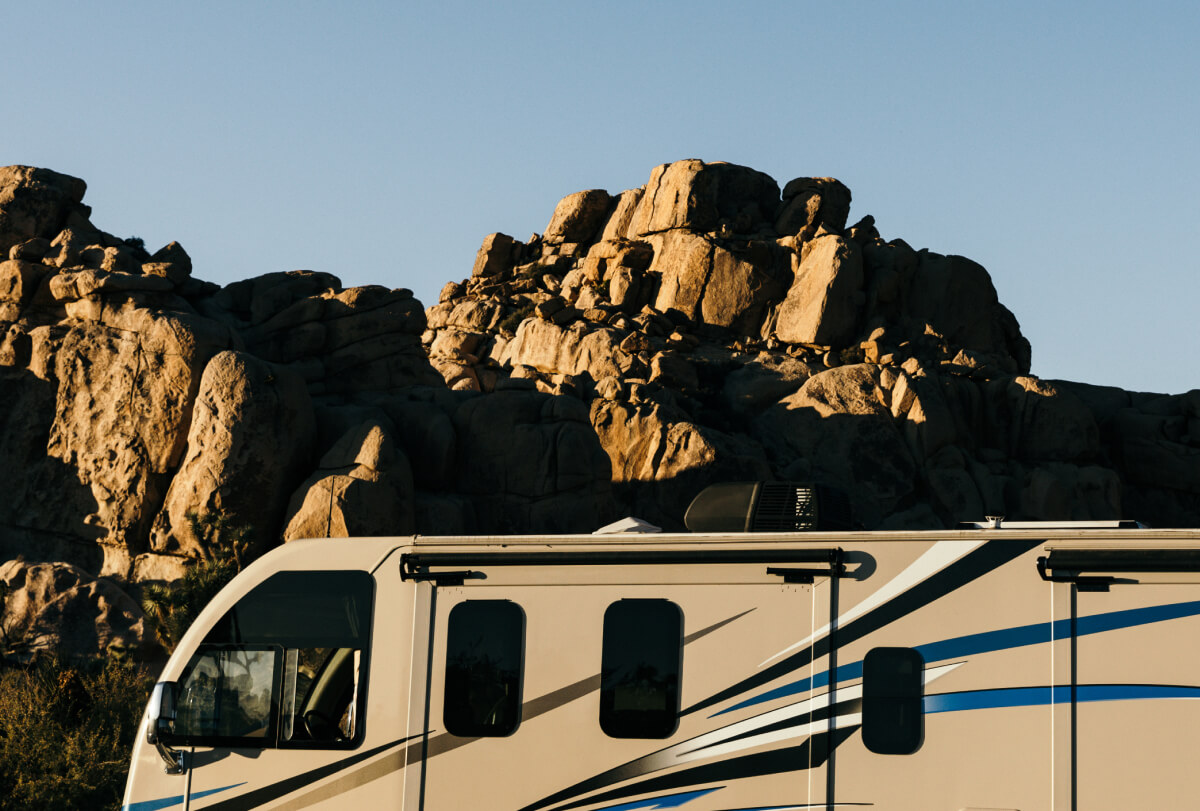
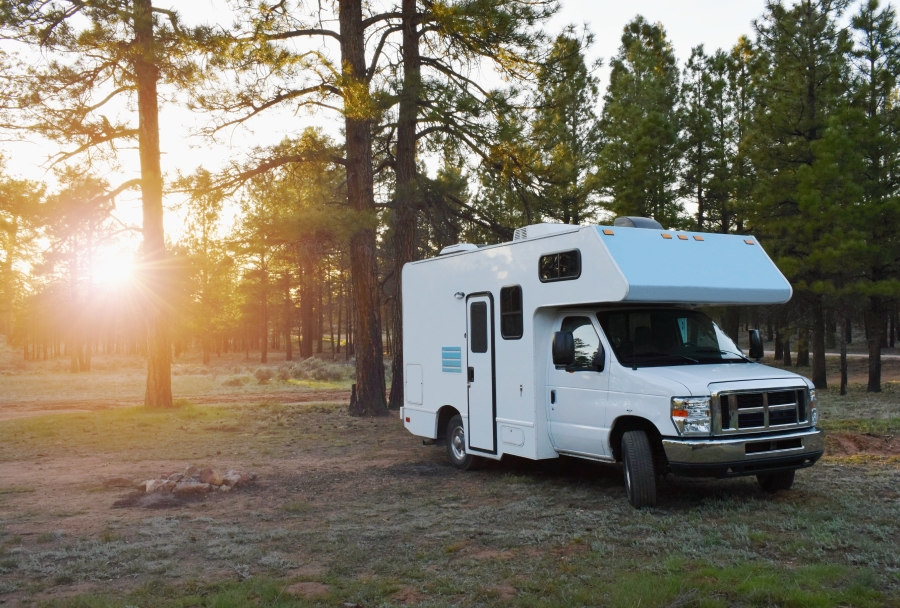
Whether you use your recreational vehicle for fun or as a full-time residence, depend on the RV experts at Progressive for insurance on your motorhome or travel trailer. Quote RV insurance online in as little as three minutes, and then hit the road with the best coverage at an affordable cost.
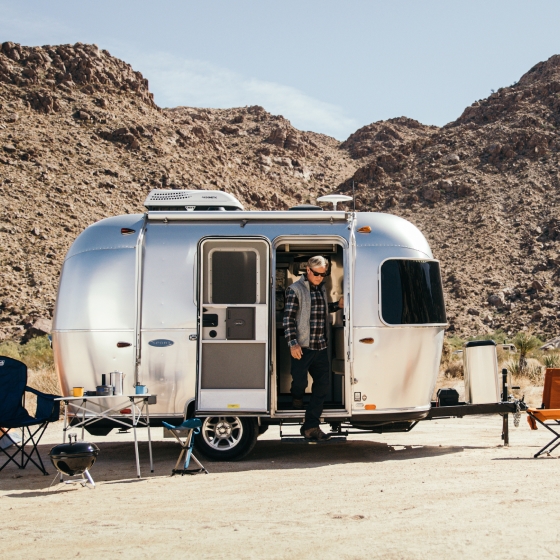
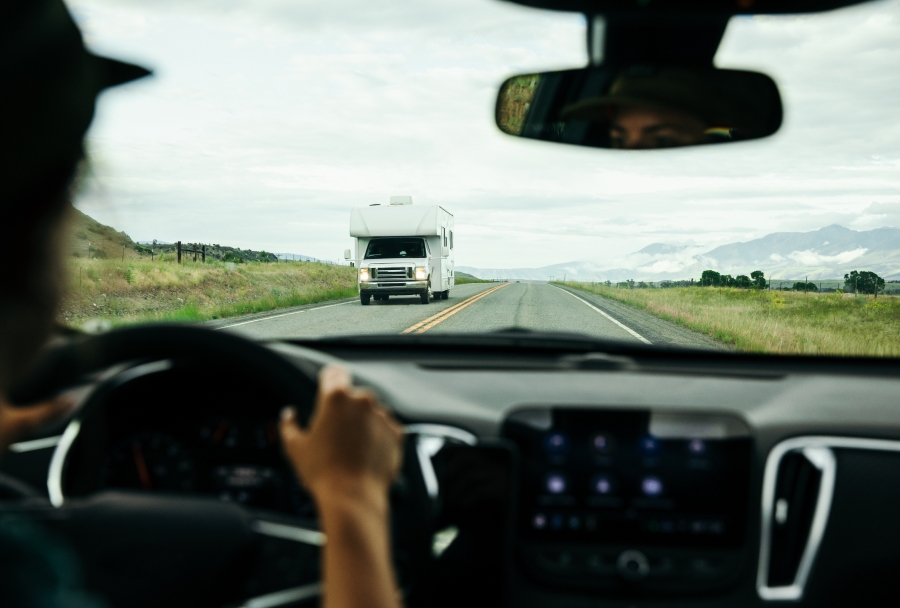
Do you drive your RV? If so, you need a motorhome insurance policy. If you pull your RV with a different vehicle, you need a travel trailer insurance policy. See the types of RVs we insure.
WAYS TO SAVE
Our annual RV insurance liability policies start as low as $125.* Discover the discounts you can earn for a low-cost RV insurance policy.

If you currently have a home, renters, condo, auto, boat, or motorcycle policy with Progressive, you can earn additional savings when you add RV insurance.
Save by bundling insurance
Are you the original owner of your motorhome or travel trailer? Regardless of your RV’s age, we’ll add on a discount.

Progressive rewards safe drivers. You’ll earn a discount if you’ve driven ticket- and accident-free for the past three years.

Earn a discount when you purchase your RV insurance policy at least one day prior to your start date.
WHY CHOOSE US?
Personalize your motorhome or trailer policy without breaking the bank.
For over 85 years, we've covered motor vehicles, and we're experts at protecting custom trailers.
Getting your RV insurance quote is quick and easy when you do it online.

Travel trailers used for camping and vacationing, ranging from 12-40 feet in length

Smaller trailers designed to carry ATVs, boats, equipment, and other light cargo

Large, enclosed trailers used for transporting horses, vehicles, and other cargo

Smaller camping trailers built with collapsible walls for easier towing

A type of RV where the living space sits in the bed of a pickup truck

These trailers feature a raised front section, providing more living space
Whether you're on the road, at a campsite or park, or living in your RV full-time, our specialized coverage can safeguard you and your RV against unexpected situations.

For motorhomes: RV liability coverage is required in nearly every state and can pay for property damage and injuries you cause to others, as well as legal expenses.
For travel trailers: Bodily injury and property damage liability coverages aren’t available because the vehicle pulling your trailer already provides the liability coverage.
Example: At an intersection, your motorhome collides with a car and you're liable for damages and injuries. RV liability coverage can pay to repair the damaged car and the medical bills for the injured driver, up to the limits of your policy.

RV comprehensive and collision coverages safeguard against physical damage and loss. If you finance or lease your RV, both coverages are usually required by your lender.
Comprehensive covers incidents beyond your control, including theft, vandalism, fire, and weather-related issues. Note: you typically won't be able to purchase a travel trailer policy without comprehensive coverage.
Collision covers damage to your RV if you collide with an object or vehicle.
Example: While parked at a campsite, your motorhome's awning is damaged in a storm. Comprehensive may pay to replace the awning, minus your deductible.
Example: Your travel trailer is totaled in a highway accident. Collision can cover the cost of a new trailer, minus your deductible.

We'll pay to replace your totaled travel trailer or motorhome with a brand new one, minus your deductible, so long as your RV is five model years old or less.
If your RV is older than five model years, you'll receive the amount specified in your policy.
Example: If your totaled RV originally cost $55,000, but is only worth $45,000 today, we'll pay to replace it with the same model year or later and the same trim level or better—even if it costs more than the original vehicle’s purchase price.

We cover your personal property inside your motorhome or travel trailer, up to the limits you specify.
Example: You accidently back your trailer into a picnic table, damaging your cell phone and tablet. Your policy can pay to replace the items up to the limits of your policy.
Nearly every state mandates RV liability coverage before you can get behind the wheel of a motorhome. While there are no state laws that require insurance for trailers, if you finance or lease your travel trailer, your lender may require you to carry an RV insurance policy with comprehensive and collision coverage. Learn more about RV insurance requirements by state.
Keep in mind, even if your RV is paid in full, a policy can still be worthwhile; your RV may be one of your most valuable possessions and should be protected.
Pro tip:
If your motorhome or travel trailer is also your permanent residence, you may need full-time RV insurance. Progressive offers optional coverages for personal liability, medical payments, and loss assessment so you're properly protected if you reside in your RV more than six months out of the year.
Annual liability RV policies from Progressive remain affordable, starting at just $125* per year. Your price for motorhome and travel trailer insurance depends on a variety of factors like your location, type of RV, driving history, usage, and coverage selection.
Find out more about the factors impacting your cost for RV insurance.
Enjoy large displays of motorhomes and travel trailers:
Stop and see us at an RV outdoor show to experience luxurious Class A, B, and C motorhomes, plus fifth wheels and pop-up trailers.
When it comes to covering your motorhome or travel trailer, buying an RV, and other tips, use Progressive Answers as your RV insurance resource.

Boat Insurance
Protect your boat or PWC today; no marine survey or navigation plan is required

Motorcycle Insurance
Get specialized coverage for your bike from the #1 motorcycle insurance company

Auto Insurance
Get discounted and customized auto coverage for all of your family’s vehicles

Classic Car Insurance
Safeguard your collector vehicle with specialized and affordable coverage

Homeowners Insurance
Make sure you, your home, and your personal belongings are protected

Renters Insurance
Get liability coverage and protect your belongings for less than $1 per day**